



The Hidden Job Market: Why Your Next Opportunity Won’t Be Posted

Here’s a truth that surprises most job seekers: the majority of great jobs are never advertised. They’re filled quietly through referrals, internal moves, and relationships built long before a role officially exists. This is the hidden job market—and learning to navigate it can transform your entire search.
If you’re only applying to public postings, you’re competing with hundreds for a fraction of available opportunities. Here’s how to access the roles that never make it to job boards.
Why the Hidden Job Market Exists
Hiring is risky and expensive for companies. Posting a role publicly generates hundreds of resumes, hours of screening, and uncertainty about fit. It’s far safer for hiring managers to:
- Promote someone internally who already knows the culture
- Ask their network for trusted recommendations
- Approach someone they’ve been impressed by in the past
By the time you see a job posting, it may already have an internal candidate – or the company is simply fulfilling a legal requirement while hoping the right person finds them through other channels.
1. Shift from Applicant to Observed Professional
You can’t apply for a job that doesn’t exist yet. But you can make yourself visible to the people who create those roles.
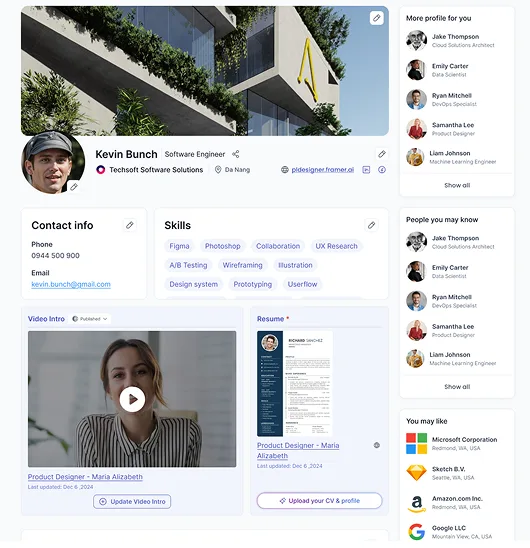
Build Before You Need It: Establish your presence on platforms like Enfue long be before you’re actively searching. Share insights, engage thoughtfully with industry content, and let your expertise be seen consistently.
The Passive Candidate Advantage: When you’re visible and respected, you become someone hiring managers think of before they write a job description. You’re not applying-you’re being recruited.
2. Master the Art of Informational Conversations
The informational interview is your gateway to the hidden market. It’s not about asking for a job—it’s about learning, building rapport, and staying top of mind.
Approach with Curiosity, Not Desperation: Reach out to people in roles or companies you admire. Ask about their career path, their industry insights, or the challenges they’re solving. People genuinely enjoy talking about themselves when approached respectfully.
The Magic Question: Near the end, ask: “Based on our conversation, what skills or experiences would you recommend I develop to be valuable in this space?” This positions you as someone focused on growth – and often prompts them to think of you when something opens.
3. Leverage Weak Ties, Not Just Close Contacts
Your close friends already know what you’re looking for. The opportunities often come from acquaintances – former colleagues, someone you met at a conference, a connection you’ve only interacted with online.
Reconnect Authentically: A simple message like “I’ve been following your work at [Company] and am impressed by [specific project]. Would love to hear how things are going there” can reopen a dormant connection.
Attend with Intention: Whether virtual or in-person, industry events are goldmines. Collect business cards or connections, then follow up with substance, not just a generic LinkedIn request.
4. Become a Solution Spotter
When you understand a company’s challenges deeply, you can position yourself as someone who can help — even before they’ve fully defined the problem.
Do Your Homework: Research a target company’s recent news, leadership changes, or industry pressures. Identify where your skills could help solve a challenge they’re facing.
The Thoughtful Outreach: Reach out to someone relevant with a concise, valuable observation. For example: “I noticed [Company] is expanding into the X market. Given my experience launching similar initiatives, I’d love to share some thoughts if you’re open to it.” This feels more personal and useful than a generic connection request.
Build Your Professional Profile
Keep your experience, skills, and interests up to date so you’re ready when a relevant opportunity comes along.